Confirmed > 99% Lab-grade Peptides
Peptide Pureness Analysis Service
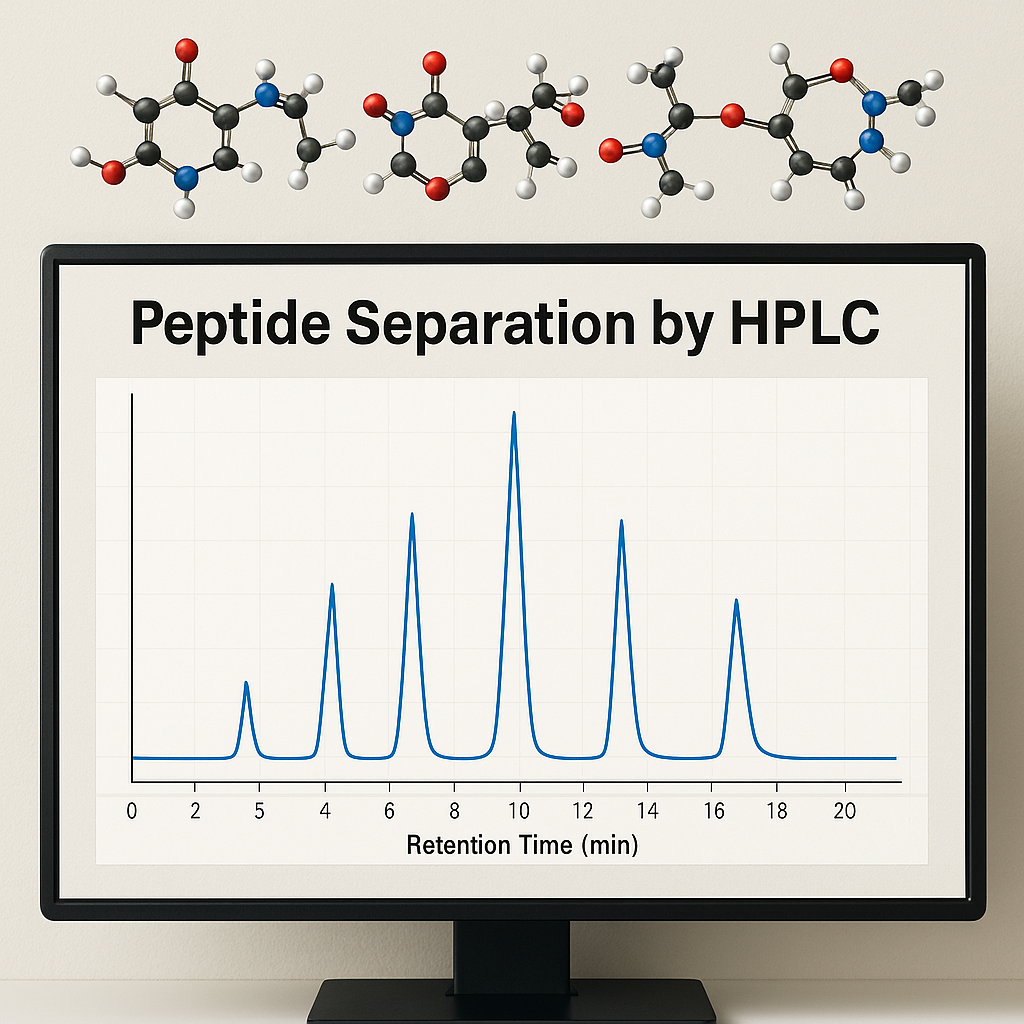
The liquified peptide sample is infused into a stream of fluid solvent (the mobile stage) that flows via a tube loaded with small fragments (the stationary phase). Different molecules "stick" to those particles with different staminas, so they take a trip with the column at various rates. Subtle differences in resources pureness and framework can cause inconsistencies in the activity of the end product.
Peptide Quality Screening Platform From Boc Scientific Researches
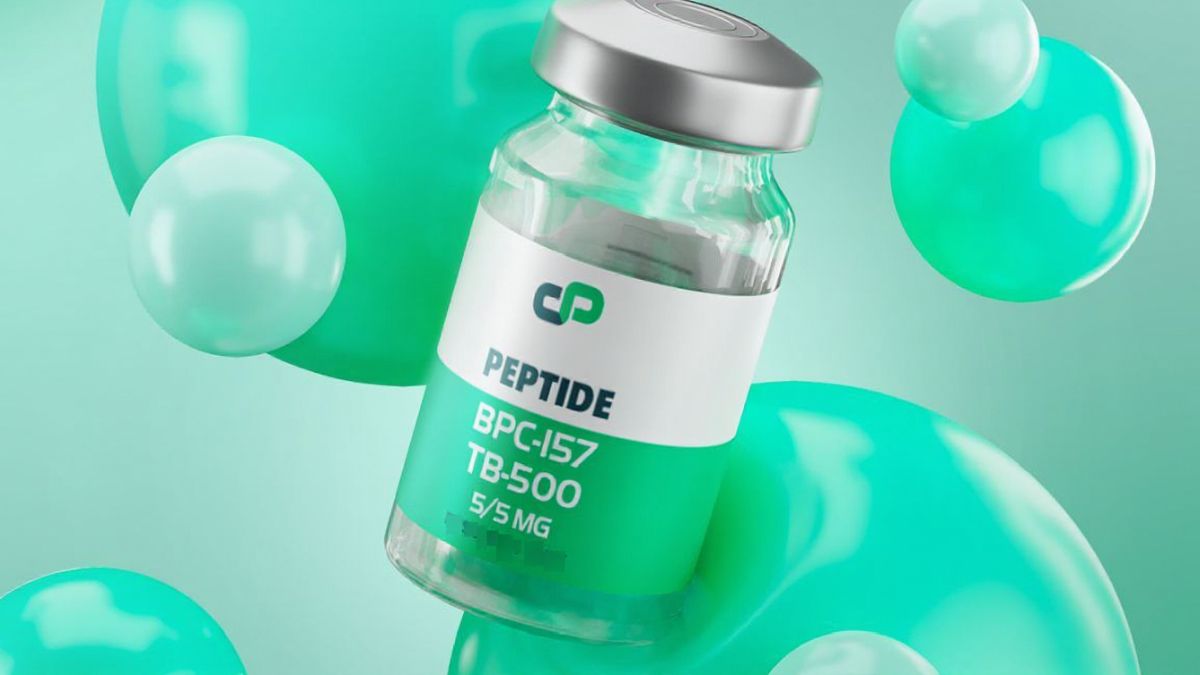
- Crystallographers specifically often call for ≥ 98% purity due to the fact that even small contaminants can avoid crystal development or present disorder into the crystal latticework.
- Respectable peptide providers always mark their items by doing this and provide quality reports with HPLC and MS information to support the pureness degree.
- We utilize dialysis, ultrafiltration integrated with HPLC/UV approaches to scientifically examine encapsulation effectiveness and medication loading.
- It guarantees you that the peptide will certainly carry out well in experiments (assuming purity and identification are as mentioned), however it also brings the caution "Research study Usage Just." This phrase is typically printed on the vial or paperwork.
Apex Laboratory is a specialized distributor of high-purity chemical reagents and peptides. All items provided are purely for in-vitro research laboratory research and development make use of only. Discover flagship study peptides with batch-specific COA documentation and HPLC/MS verification. Products are for in-vitro lab research use just and are except human intake.
It's possible to have a peptide that is, state, 95% pure by HPLC and yet the net peptide content is something like 70% of the powder's weight (the rest being water and salts). Do not be startled-- this is typical and is generally figured out by different analyses (like amino acid evaluation). Peptide pureness is most generally figured out by high-performance fluid chromatography (HPLC) with a detection wavelength of 220 nm, which is optimum for detecting peptide bonds. This technique separates peptides from contaminations and evaluates both target peptides and impurities, guaranteeing top quality samples for study.Nanoparticle Physicochemical Residential Or Commercial Property Analysis
Selecting the ideal external research laboratory for peptide testing involves assessing a number of factors. A trusted laboratory must have verifiable experience in peptide chemistry evaluation-- for example, PhD-level chemists or biochemists on staff that recognize peptides' synthesis and destruction paths. Certification by pertinent bodies (such as ISO/IEC or accreditation for GLP/GMP compliance) is a strong indicator of high quality.Reputable peptide vendors always note their items in this manner and give high quality reports with Origin Sequence HPLC and MS information to back up the purity degree. As long as you acquire peptides from a trusted source that provides a complete certificate of evaluation, you can be confident in the peptide's purity quality and use range. Peptides are tested with a mix of methods, including HPLC for pureness, mass spectrometry (MS) for series verification, and nuclear magnetic resonance (NMR) for structural evaluation. These techniques aid recognize the peptide's composition, validate the molecular weight, and find any architectural modifications or impurities, guaranteeing the peptide fulfills high quality and specification requirements. With our comprehensive peptide evaluation platform, Innovative Proteomics has established an extremely delicate and customized platform.
With each other, these analytical techniques provide the evidence base for ending that a peptide batch appropriates for research study use. One more relevant term you may encounter is internet peptide web content, which is different from purity. Web peptide material refers to how much actual peptide (by weight) is in the vial about non-peptide elements like water, counter-ions (e.g., TFA), or barrier salts.